Vegetable empire 2013
By popular demand, I have resurrected this phylogeny from my old website for Easter 2013. I have added a number of extra groups, updated the angiosperms according to APG-III, and repositioned the Gnetales according the apparently ascendent gnetifer hypothesis. The rotated titles in the table appear to work in IE9, Chrome and Safari, but YMMV.
Organism of the week #10 - The shapeless cock-of-the-gods
I missed last week, so this week’s is a biggun, to make up for my tardiness.
Bow down before The Shapeless Cock-of-the-Gods:
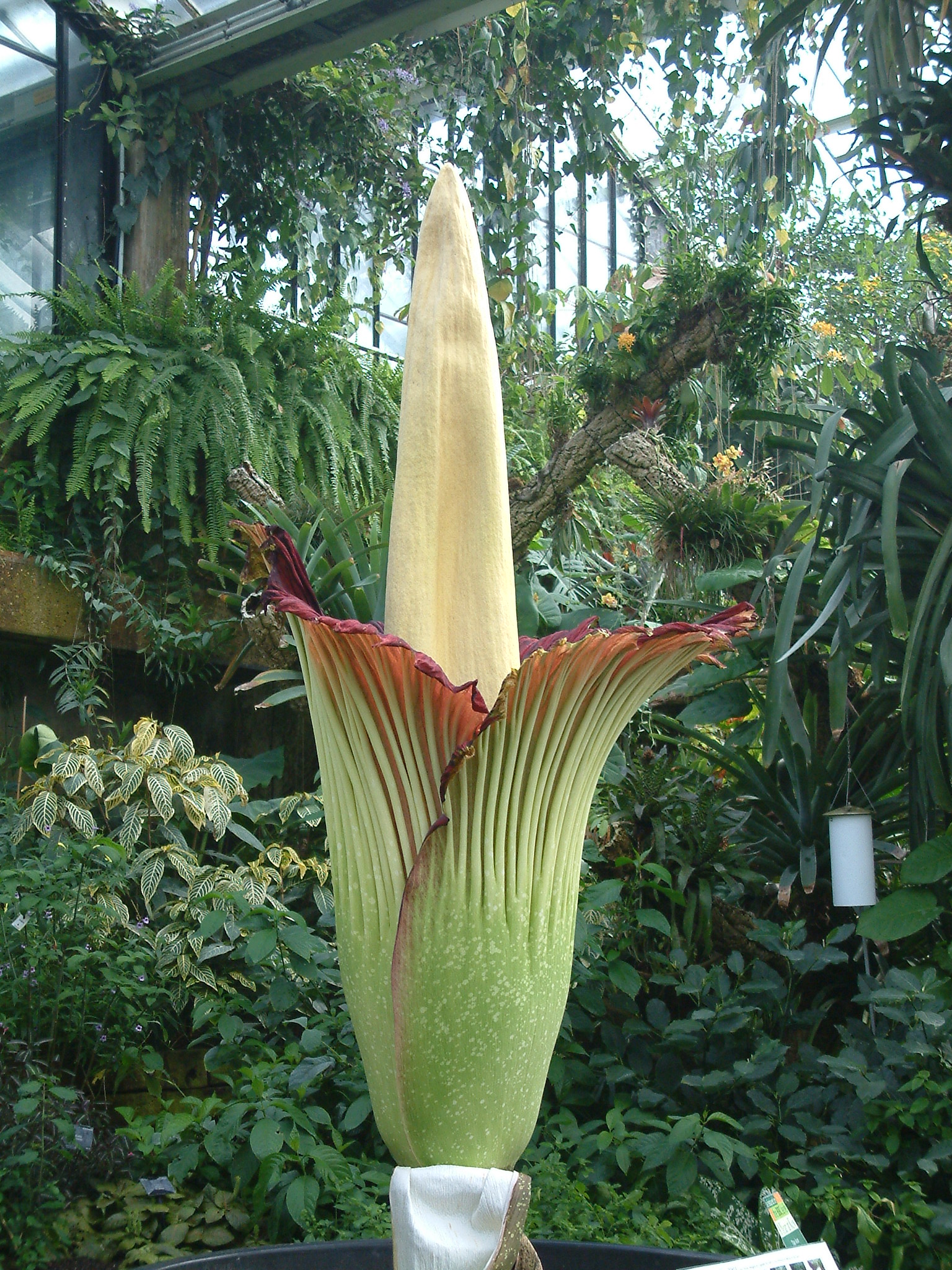
Apparently, when this plant was filmed for The Private Life of Plants in 1995, David Attenborough decided to invent the term “titan arum” to avoid using the plant’s Latin (well, Greek, really) name on prime-time BBC-1:
Educational RCTs
Around a decade ago I did a PGCE. Part of that PGCE involved a small-scale investigative study, from which I learnt a great deal about educational research, but not - I suspect - any of the intended learning outcomes.
I was teaching a year-7 class, whose graphing skills needed improvement. Students would often forget to give meaningful titles* to graphs. They would forget to label axes; they would join-the-dots rather than adding a line of best fit; and so on.
Organism of the week #9 - Not even what it doesn't seem to be
See Roridula’s* *glistening leaves. See the fly suffocating in her sticky embrace. Quake at her insecticidal prowess.
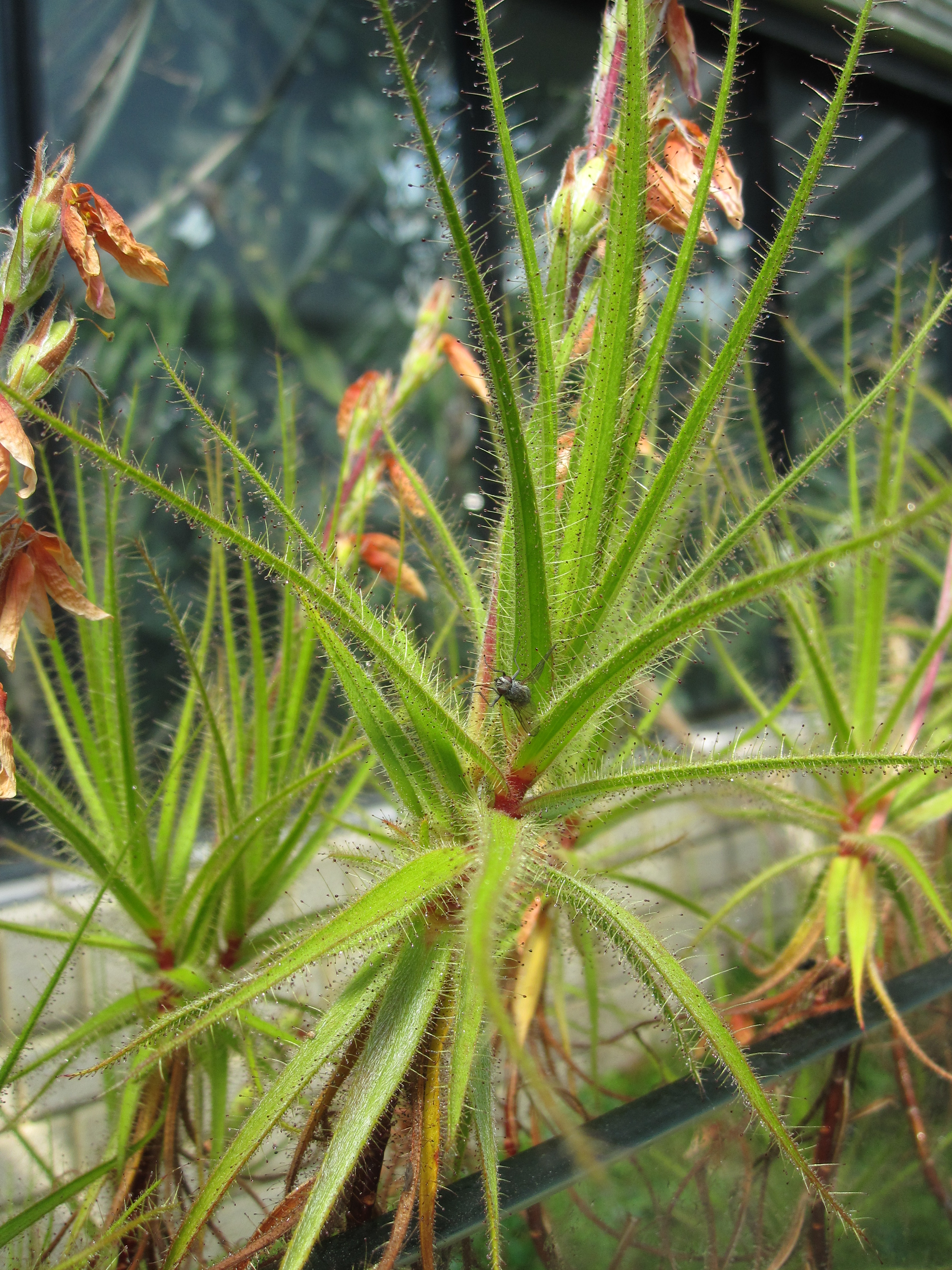
Or not. Things are not quite what they seem with Roridula. For sure, she can catch flies, but her carnivory is impotent. She cannot make the enzymes she needs to break down her prey, so they remain stuck to her leaves, and do not give up their fertilising innards to her.
Organism of the week #8 - Brought to you by the number 5 and the letters L, S and D
If sea cumbers are an example of intelligent design, then God - sorry, an unspecified supernatural intelligence that somehow doesn’t infringe on the First Amendment - needs to lay off the acid. Echinoderms are what you get when you give evolution the number 5 and half a billion years to piss around.
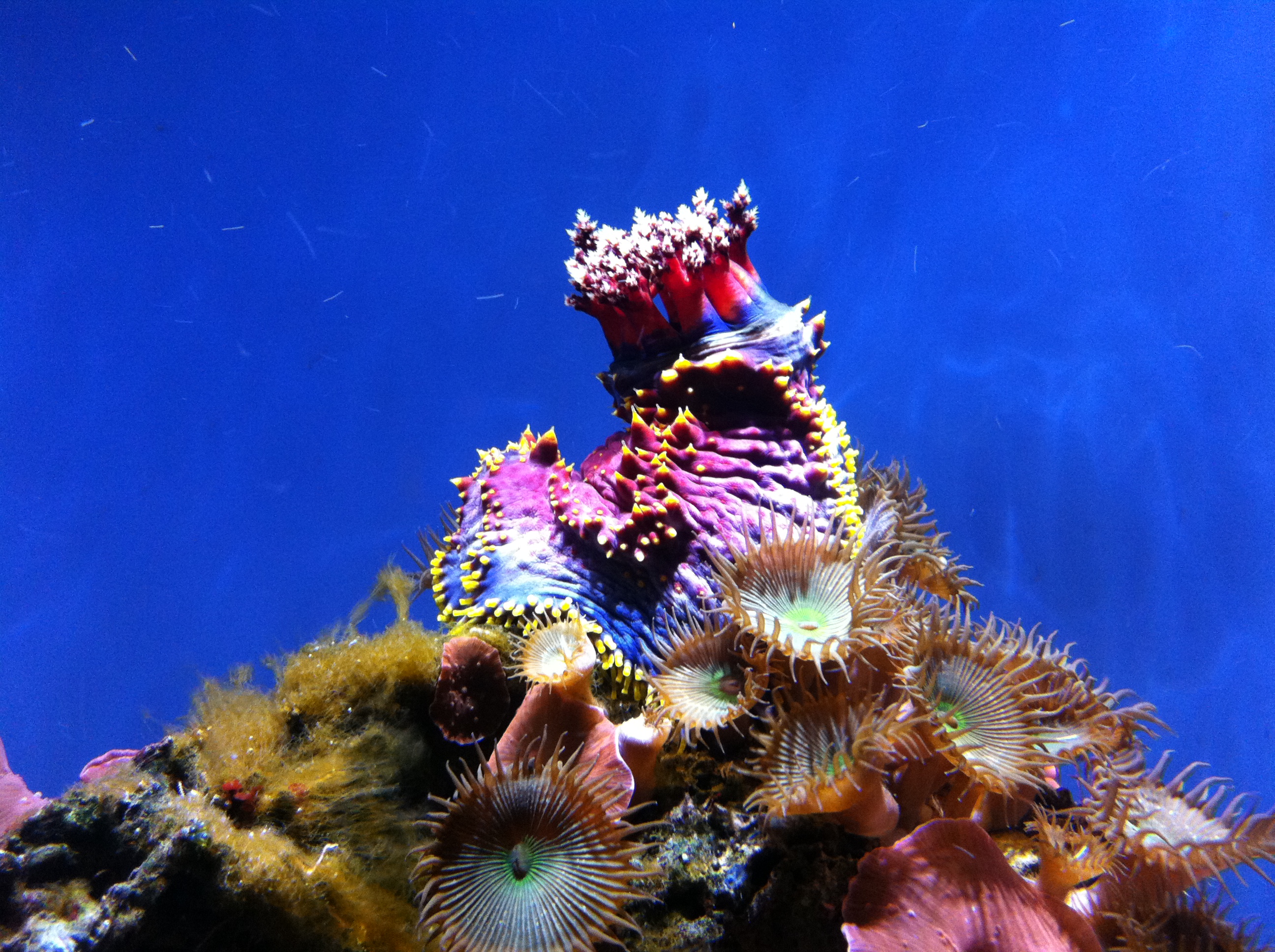
You’ve simply got to love any animal that can vomit up its own bowels crap out its own gills to annoy predators.
Classes and objects
Mr Wall’s Olde Fashioned Objeckts
Caveat lector. Despite some cosmetic surgery, this post, like the previous one on writing modules, may show its age. It was originally written when Perl 5 wasn’t even 10 years old, and things have moved on substantially since then (and no, I don’t mean Perl 6). However, there’s a lot of code out there using blessed hashref objects, so before I post something about using the Moose object framework (quick-ref guide), this post will explain how to use objects, and how to hand-roll “traditional” Perl 5 hashref objects.
Organism of the week #7 - Bringing the kids up on junk
Another quick one this week. Life finds a way…
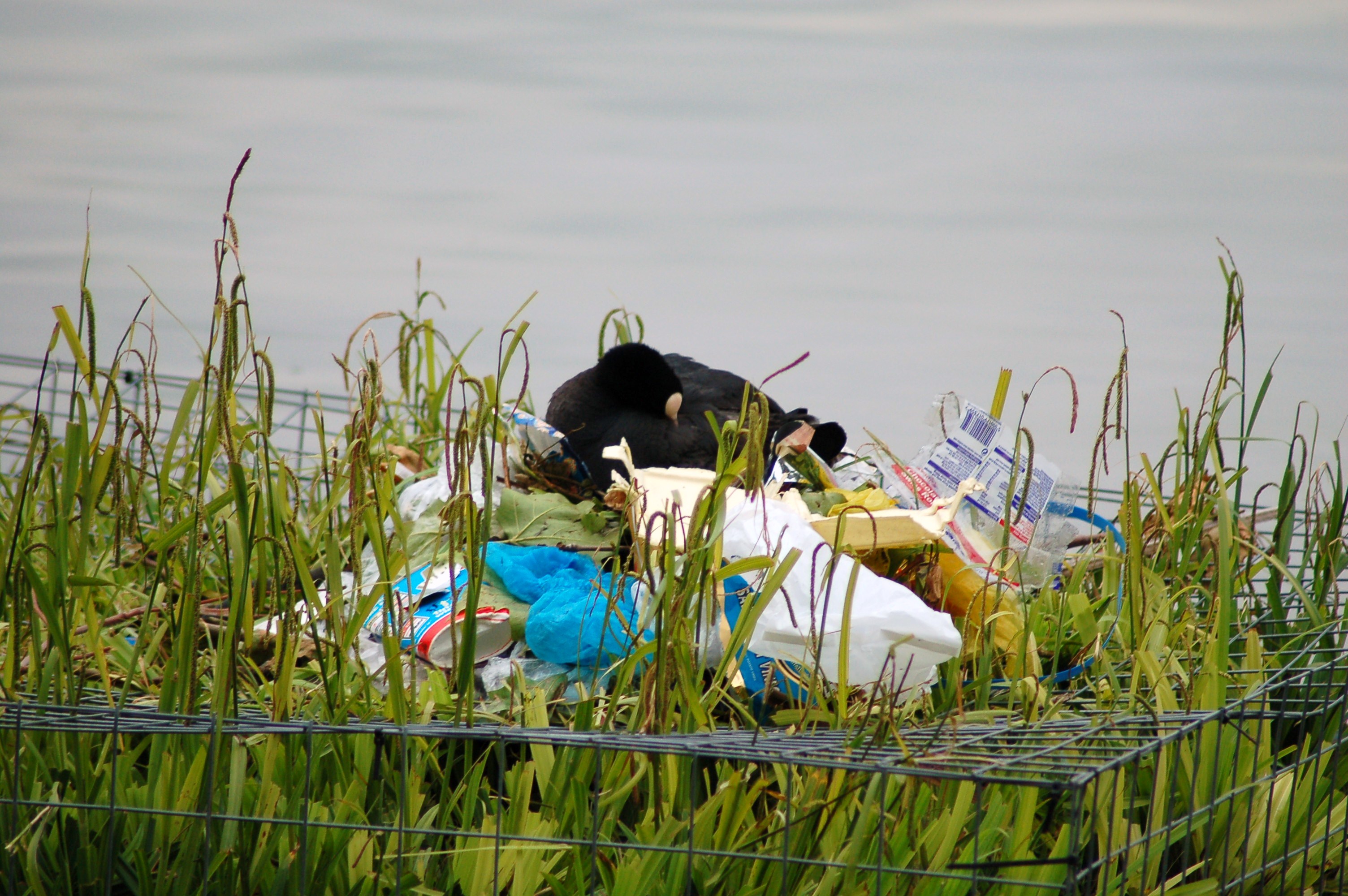
The neighbourhood coots build these landfill nests annually, and I’m never quite sure whether to be impressed or appalled.
Packages and writing modules
Modularisation is a virtue
The previous post showed you how to install and use other people’s modules; this post will address how to write your own.
At some point, you will probably find yourself copying-and-pasting code from one script to another. When you find yourself doing that, you should consider what would happen if it later turns out there is a bug in that pasted code. Ten copy-and-pastes down the line, you’re going to wish like hell you’d put that bit of code into a module, so you only needed to fix the bug in one place rather than ten.

Organism of the week # 6 - Enigmata of the Gnetales
Three for the price of one this week.
Most seed-bearing plants fall into one of two main groups: the flowering plants (grasses and magnolias and butterworts and so on), or the conifers (pines and yews and monkey-puzzles and so on). However, there are three smaller groups of seed-bearing plants that don’t fit into this neat division: the cycads, the ginkgo, and an enigmatic group of plants that are sufficiently obscure they haven’t attracted a nice englishified name, so we shall have to stick with calling them the “Gnetales”.