Statistical power
In a recent(ish) post, we saw that if a fair coin is flipped 30 times, the probability it will give us 10 or fewer heads is less than 5% (4.937% to be pointlessly precise). Fisher quantified this using the p value of a data set: the probability of obtaining data (or a test statistic based on those data) at least as extreme as that actually observed, assuming that the null hypothesis is true.
Organism of the week #26 - Oxymoron
Plants can have some very odd names. Bears are not renowned for their trousers, and this spiky sod is the last thing anyone would want to make a pair of trousers from, but “bear’s breeches” it is. Even its Latin name is odd: acanthus means spiny, and mollis means smooth; a literal oxymoron.
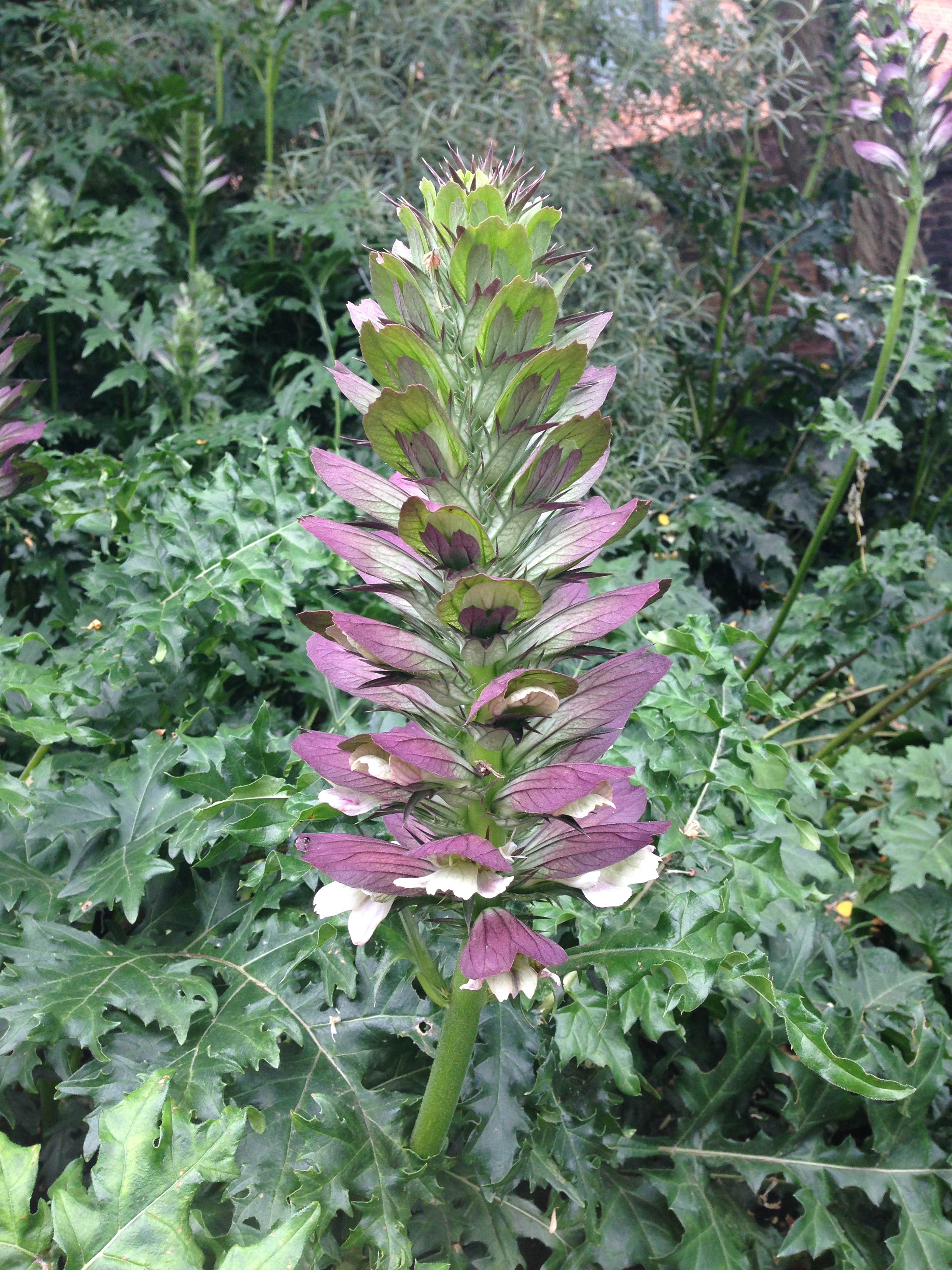
It might not look very familiar, but it may be the most quietly famous plant in the world, having been immortalised in stone through much of the world for over 2000 years.
Organism of the week #25 - Bull headed
This is another of the things we have found down a microscope in one of our undergraduate practicals, but for once it’s not a ciliate.
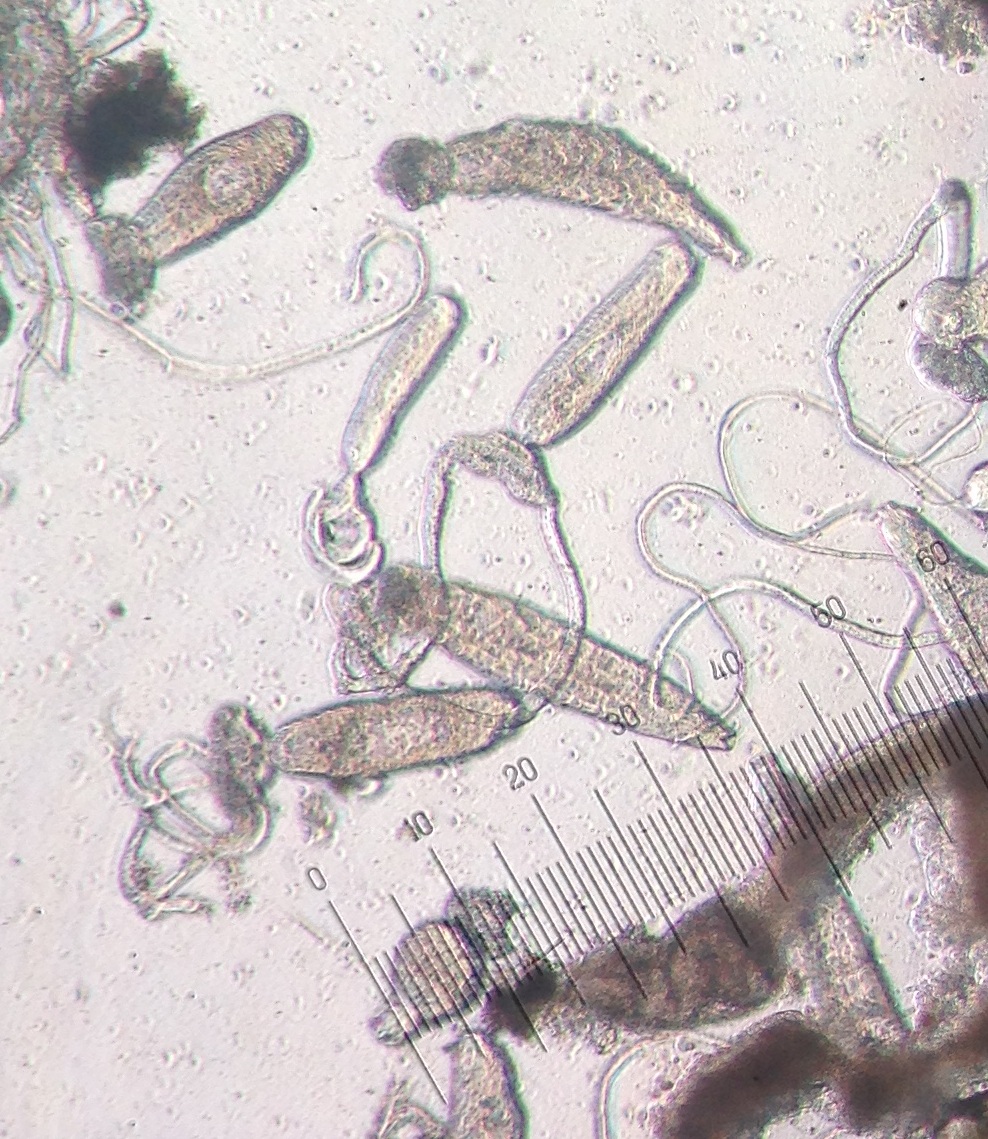
This is the larva of a parasitic fluke called Bucephalus, which is the Greek for ‘bull headed’. It’s appropriate for this fluke not because it looks like Alexander the Great’s horse, but because its two “tails” (furcae) look like horns when they are fully extended.
A graph to show
I’ve never been sure where “a graph to show…” comes from. As far as I can tell, A-level specifications don’t use or specify this wording, and you wouldn’t typically see it in a figure legend in a scientific paper. But if you ask first-year students to put a title on a graph without any further guidance, almost every one of them will default to this mindless boilerplate.
Organism of the week #24 - Danse Macabre
For three centuries, the Black Death was routinely epidemic in London. The first outbreak - in 1348 - probably killed half the population of England; the last outbreak - from 1665 to 1666 - probably killed a quarter of the population of London.
In 1665, Isleworth was a small village several hours’ walk (or row) from London proper, but the Great Plague found its way there anyway. As in many places, so many died that digging individual graves became impractical, so instead, the bodies were interred in communal plague pits.
Organism of the week #23 – Rattled
My annual summer ritual to stave off death for one more year involves running round Kensington Gardens and Hyde Park, which are situated conveniently close to $WORK.
I lumbered merry as a shroud.
That aches and sweats o’er trails and heights,
When all at once I saw a crowd,
A host, of golden parasites:

Yellow rattle is a member of the broomrape family, which are almost all parasites of other plants. Broomrape itself is completely parasitic, and obtains all the sugars and other nutrients it needs to grow from other plants.
Phage vs. host
For a recent schools’ outreach day, I put together a card-game based around the arms-races that develop between bacterial hosts and their viruses (bacteriophages). It’s mostly just a bit of fun, but if anyone finds it useful or can suggest improvements (or just make them! I release this under a CC-BY-SA-4.0 license) I’d be happy to hear them.

Stentorian
We had the annual “looking at muck down a microscope” practical last week. As usual, the best thing we saw was a ciliate in some pond water, in this case a little trumpet animalcule:

Previous winners: Vorticella and Lacrymaria. The Ciliata really are the phylum that keeps on giving.
A queen's Christmas message
Well, at least 2:8 is plausible.
2:1 And it came to pass 10 years after the death of Herod the Great, that there went out a decree from Caesar Augustus that all the world - except those irrelevant bits that the Romans hadn’t conquered - should be taxed.
2:2 (And this taxing was first made when Quirinius was governor of Syria during what - by a large stretch of the imagination - may have been his second term, his first (entirely undocumented) term having been in 4 BCE, during which an (entirely undocumented) census almost certainly didn’t take place either.)
Organism of the week #22 - Faking it and making it
Nettles have a rather unhappy reputation as bringer of painful welts, and - at this time of year - dribbling noses too. The welts are probably caused by histamine, and the pain by oxalic and tartaric acids, which the nettle injects into your skin through the tiny brittle hairs that cover its stems and leaves. If you’re stung badly, the pain can last for several hours.